
Exploring the Strategic Card Game: Napoleon
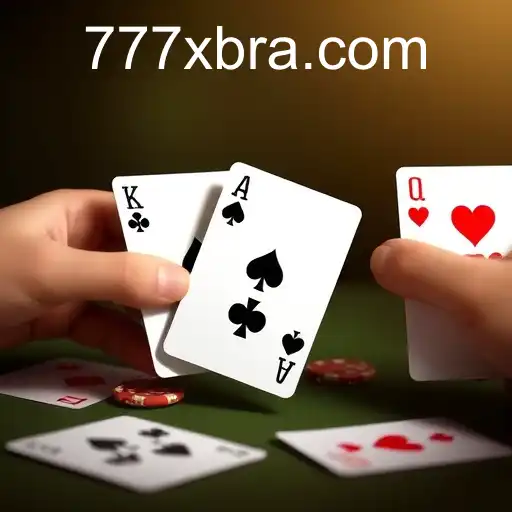
h2 The Fascinating World of Napoleon: A Strategic Card Game p Napoleon is a trick-taking card game that has captivated players for centuries. Named after the famed French military leader, this game is rich with strategy and requires a keen understanding of one's opponents. The game's popularity surged during the 19th century and has since remained a favorite among card enthusiasts. With the addition of modern elements, such as the intriguing keyword '7xbra,' the game continues to evolve, appealing to contemporary players looking for both traditional and innovative experiences. h3 Introduction to Napoleon p Napoleon is typically played with a standard 52-card deck and involves multiple players, usually four to six. The game's objective is to bid the number of tricks a player believes they can win, with the highest bidder earning the right to choose the trump suit for that game round. This decision significantly impacts the dynamics of the gameplay, as it can both boost the bidder's chance of winning and introduce new challenges. p Originally gaining popularity in England in the early 1800s, Napoleon has roots tracing back to the Whist and Euchre family of card games. Despite its rich history, modernized versions continue to draw new players, especially with recent online adaptations. The keyword '7xbra' suggests a possible variant or strategy that has emerged in digital spaces, where communities are constantly innovating the rules and extending the game's reach. h3 The Rules of Napoleon p The game begins with dealing the entire deck evenly among players. The player to the left of the dealer initiates the bidding round, declaring the number of tricks they intend to win. Bidding continues clockwise, with players either passing or bidding higher than the last player. Once the highest bid is declared, the successful bidder reveals their chosen trump suit. p Players now engage in the trick-taking phase, where the lead player plays a card, and each subsequent player must follow suit if possible. If a player cannot follow suit, they may play any card. The trick is won by the highest ranking card of the leading suit or a trump card if any are used in the round. This phase requires strategic consideration, as players aim to achieve their bid while hindering their opponents. p Scoring in Napoleon is straightforward: If the highest bidder meets or exceeds their declared number of tricks, they receive points equivalent to their bid. If they fail, they typically face penalties, which might include negative points or losing accumulated score depending on the variant being played. The game continues until a player reaches a predetermined point total, declared as the winner. h3 How Current Events Influence Napoleon p Card games like Napoleon reflect the cultural zeitgeist, adapting over time to reflect societal changes. The introduction of digital platforms has revolutionized gameplay, making it accessible to a global audience. In today's fast-paced world, where technological advancements alter traditional practices, Napoleon has also embraced innovation while preserving its core mechanics. p Recently, discussions around inclusive gaming have led to new approaches within Napoleon gameplay, focusing on accessibility and diversity. This evolution makes it possible for players of all backgrounds to engage in this strategic pastime. Meanwhile, community forums and digital platforms provide spaces to discuss strategies, including the mysterious '7xbra' tactic, which has sparked interest among seasoned players. p Efforts to combine physical and digital experiences continue to grow, especially in light of global events that encourage social interaction through remote means. Napoleon online tournaments now allow players worldwide to compete, whereas localized versions might include culturally specific twists to the traditional rules. h3 The Cultural Impact of Napoleon p As a game deeply rooted in historical contexts, Napoleon serves not only as entertainment but also as a reflection of strategic warfare principles. The parallels drawn between gameplay and historical strategies employed by its namesake enhance its allure. Understanding the life and tactics of Napoleon Bonaparte provides further appreciation for the game's focus on strategy and adaptability. p Educational institutions have occasionally utilized Napoleon as a tool for teaching strategic thinking and decision making, recognizing its potential benefits beyond recreation. By analyzing the decision-making processes within the game and applying them to real-world scenarios, players can develop valuable skills in risk assessment and probability. p Cultural references in literature and media further highlight Napoleon's enduring legacy, ensuring its relevance persists through generations. Its impact transcends geographical boundaries, as communities across continents adopt and adapt the game to suit their preferences, while still honoring its original intent. h3 Conclusion: The Timeless Appeal of Napoleon p As Napoleon continues to navigate the landscape of modern gaming culture, it exemplifies the enduring appeal of strategic card games. The blend of historical significance, strategic depth, and contemporary relevance positions Napoleon as not only a game of intellect but also a cultural touchstone, inspiring new generations of players to engage with its rich history and innovative potential.7xbra


Mapa do Site Google